
Pre-trade processing is a key part of the trade lifecycle. It can involve a large number of steps and processes, from credit assessment, compliance checking, capital allocation, liquidity assessment, as well as the actual trade negotiation, or order routing, trade affirmation and confirmation.
Recent studies have shown that incorrect trade booking is a primary source of settlement failure. Common processing and functionality in the pre-trade cycle will enhance market efficiency, reduce costs and facilitate compliance with downstream regulatory obligations such as accurate transaction reporting.
The CDM was originally developed to alleviate post-trade issues. It is clear however, that the CDM could equally be used to alleviate many of the problems occurring during pre-trade processing, which in turn can prevent those post-trade issues which are actually caused by sub-optimal pre-trade processing. The CDM not only provides workflows that can be used for trade execution, but also provides definitions for initial discovery and distribution of asset availability vis-á-vis broker demands. The use of the CDM in the pre- and post-trade workflow results in the standardisation of the full trade lifecycle starting from trade inception through to transaction reporting and ongoing collateral management.
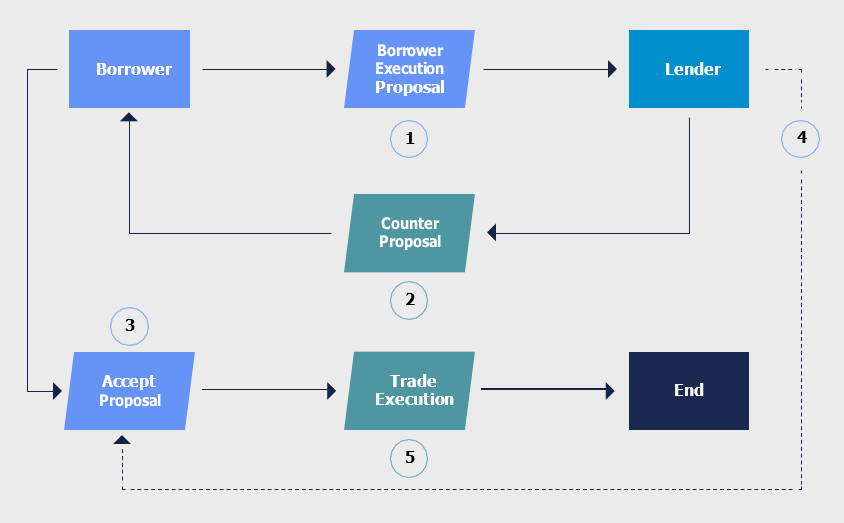
Figure 1: Workflow of a typical securities lending trade negotiation.
Firms are now using these definitions in production, proving that the CDM is not restricted to post trade. It is a true end-to-end standard that can be used across the industry. As recent market outages have taught us, the use of common standards for pre- and post-trade functions enhance an institution’s resilience during severe market disruption by enabling firms to more effectively redeploy functionality to other solutions and/or providers that use the same standard.
This article is an excerpt from our ‘CDM: The Road to Adoption’ report – click here to read the full report.